Stores



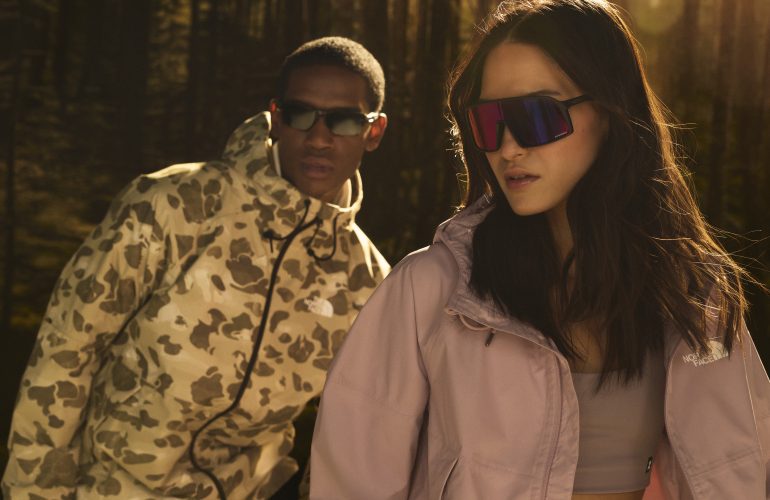
Spring is upon us, which means we can finally come out from under our heavy parkas and cast off our boots. Now it’s time to really get some ‘fits off. Light-jacket season is one of the best times of the year for it, but it’s also one of the most unpredictable.
One day it’s warm enough for patio drinks, the next the wind picks up, and there’s a cold drizzle blowing sideways down the street. Call it false spring, second winter, or just March being March.
That’s where the right spring jacket comes in. The best ones sit somewhere in the middle — lighter than a winter coat, still capable enough to handle wind, light rain, and whatever else the day throws at you.
And, if you’ve ever walked into a Sporting Life store and found yourself staring at rows of lightweight jackets, wondering what the difference is, understanding a few key basics can make choosing the right one a lot easier. Here’s what to look for.
What to Look for in a Great Spring Jacket
Spring jackets obviously aren’t designed to keep you warm the way winter coats are. They’re built to handle the wide range of temperatures a single day can bring — cool mornings, warmer afternoons, sudden wind, and the occasional rain shower. The goal is to find a jacket that balances protection, breathability, and flexibility. Finding the right fit that will fit over a layer or two is also something to keep in mind.
Breathability
Jackets made with technical fabrics or lightweight woven materials allow heat and moisture to escape, when the humidity ratchets up, helping prevent that clammy feeling that can happen when the sun comes out, or you start building up a sweat on a long walk.
Weather Protection
Most spring conditions call for protection from wind and light rain rather than full storm coverage. Many transitional jackets use wind-resistant fabrics or a durable water-repellent (DWR) coating that causes rain to bead up and roll off the surface of the fabric. For heavier rain, reach for a fully waterproof jacket. More on this below.
Lightweight Construction
Spring jackets should feel easy to throw on and easy to carry when you don’t need them. Windbreakers, hardshell, and softshell jackets are designed with thinner fabrics and minimal insulation, protecting without the bulk of a winter coat.
Rain Protection, Explained: Finding the Style That Fits the Weather
Not every spring jacket is designed for the same kind of rain. Some are built to handle a quick drizzle on the walk to work, while others are designed to keep you dry through a steady downpour.
Water-repellent jackets sit at the lightest end of the spectrum. These fabrics are typically treated with a durable water-repellent (DWR) coating that causes moisture to bead up and roll off the surface of the material. This works well for brief exposure to rain or mist, but it’s not meant for heavier weather.
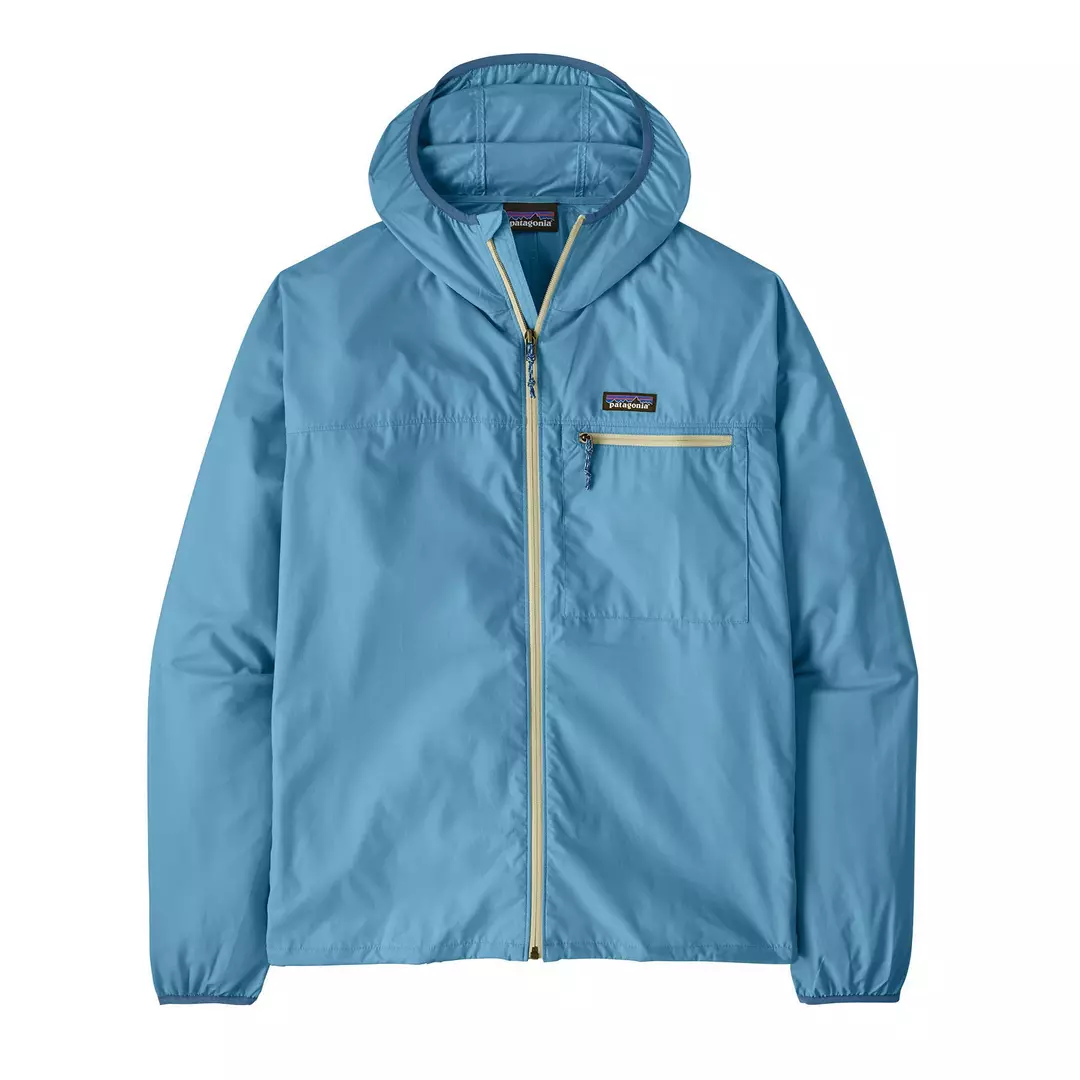
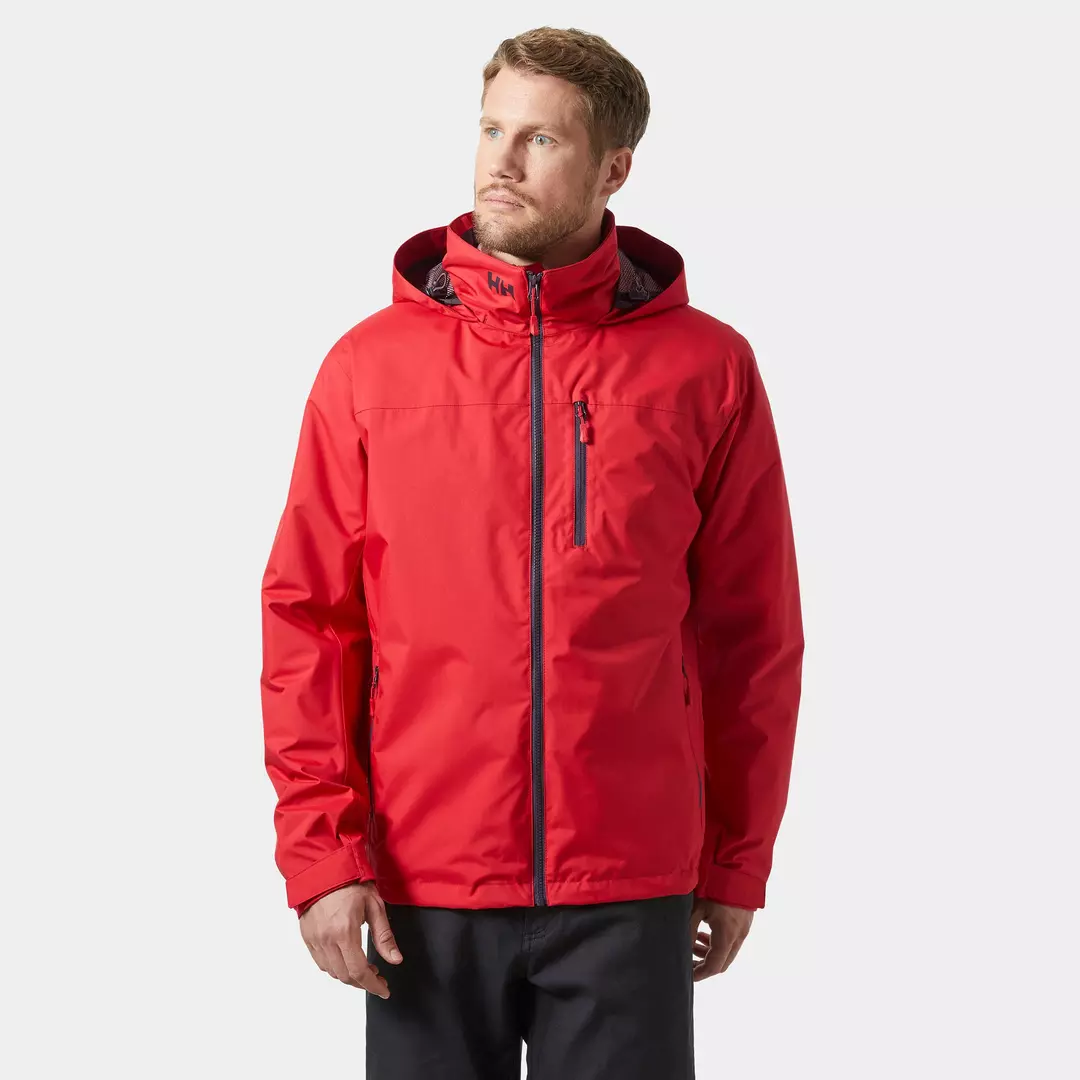
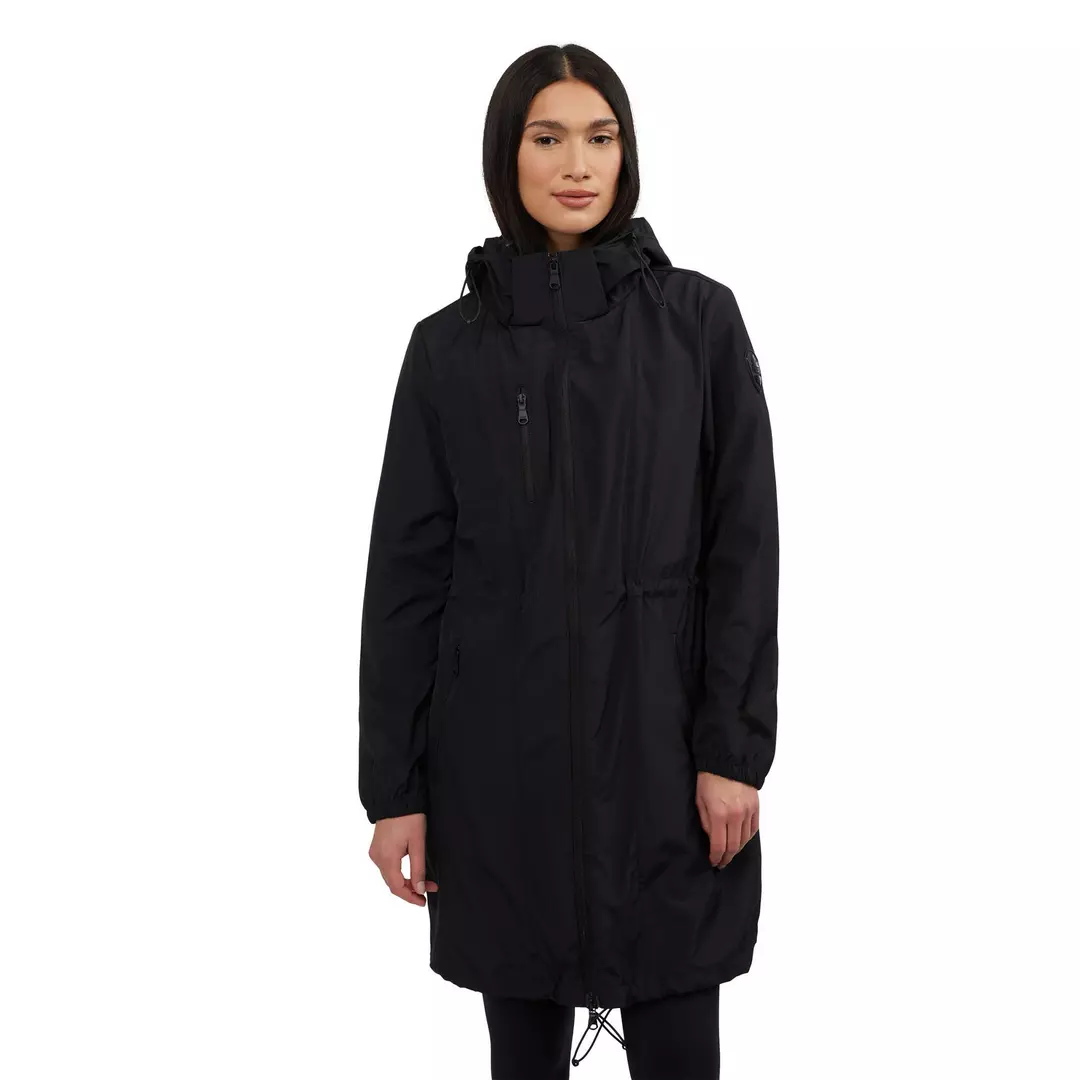
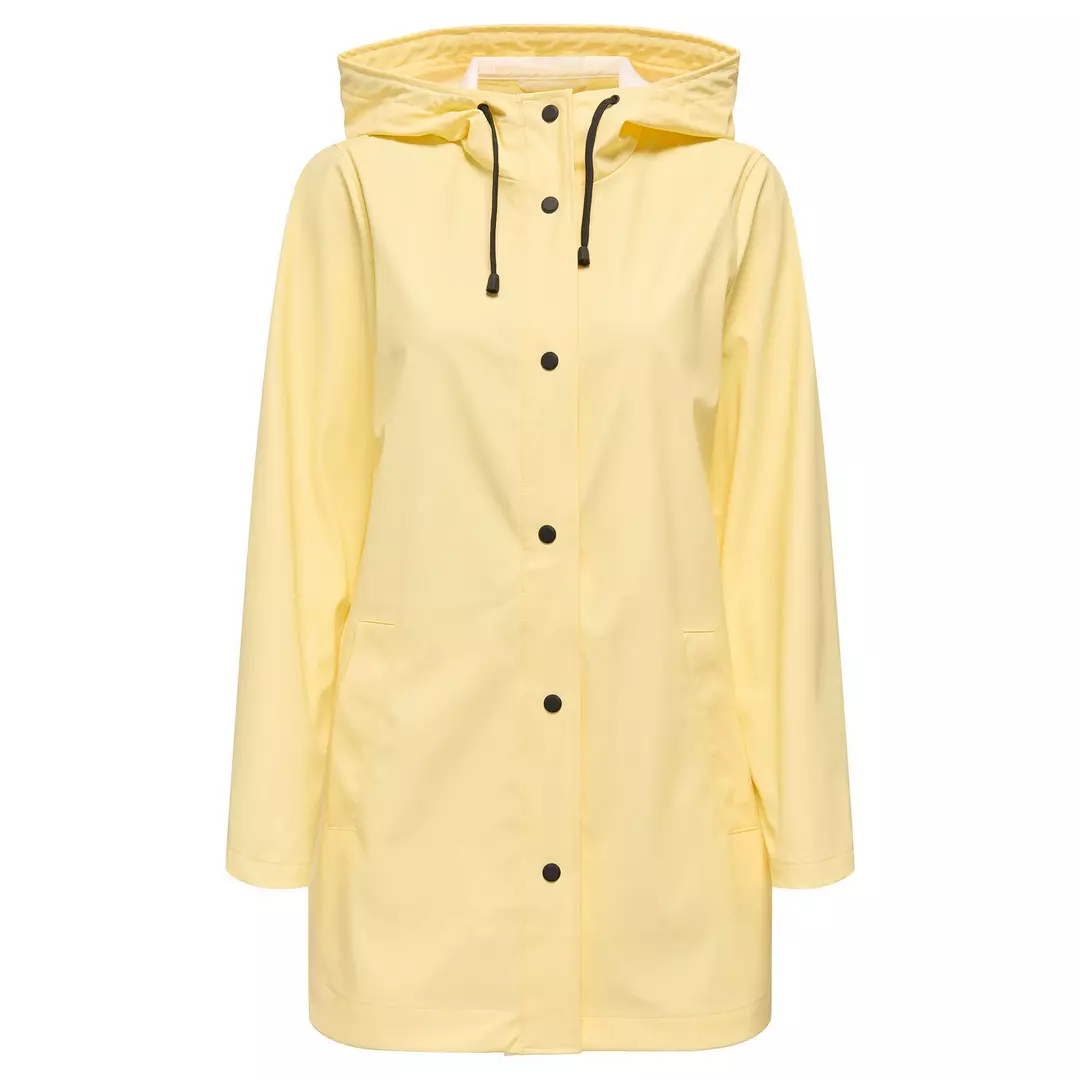
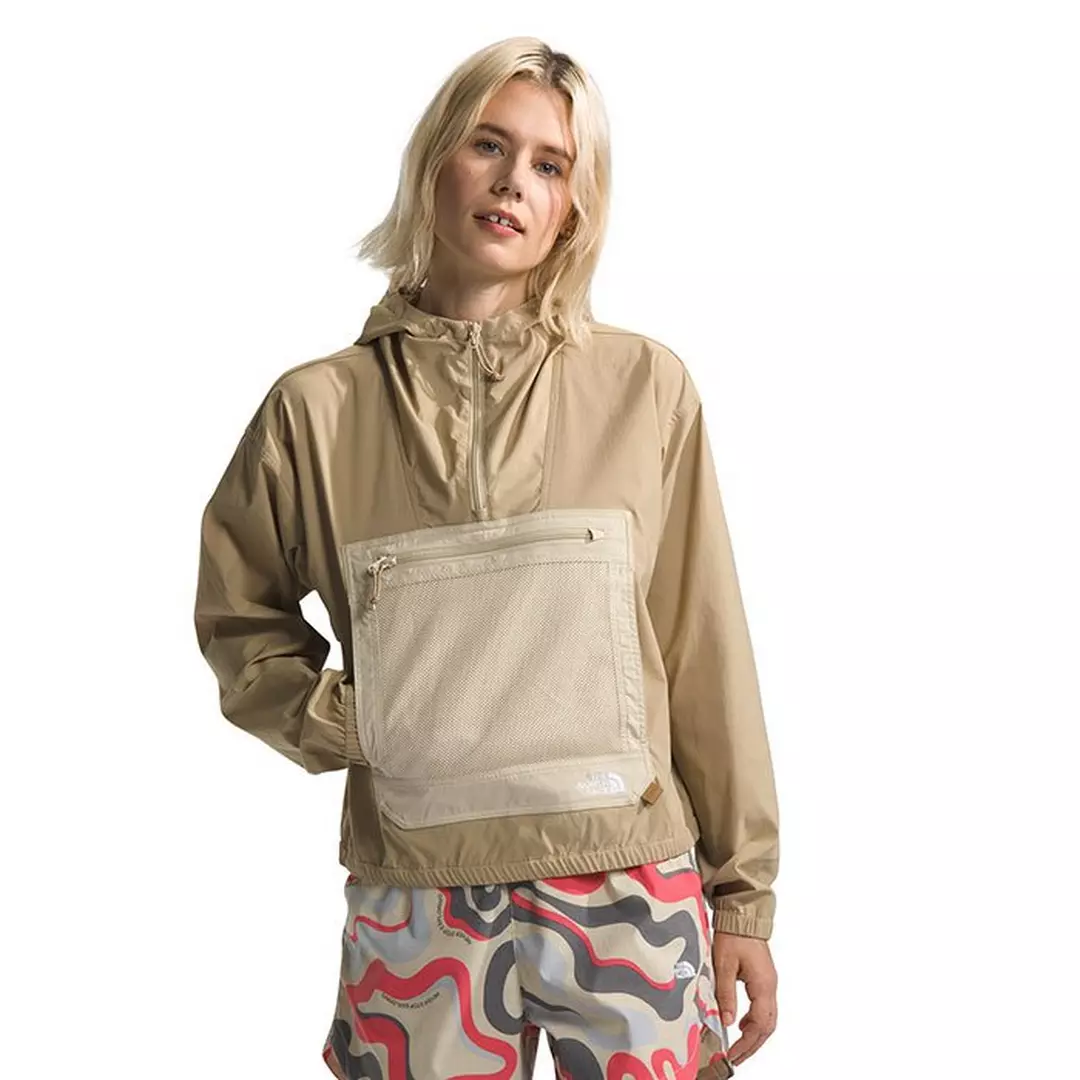
Water-resistant jackets go a step further. They’re usually made from tightly woven fabrics that slow down water penetration while still remaining breathable and lightweight. Windbreakers, softshell jackets, and many everyday spring layers fall into this category, making them ideal for breezy days or light showers.
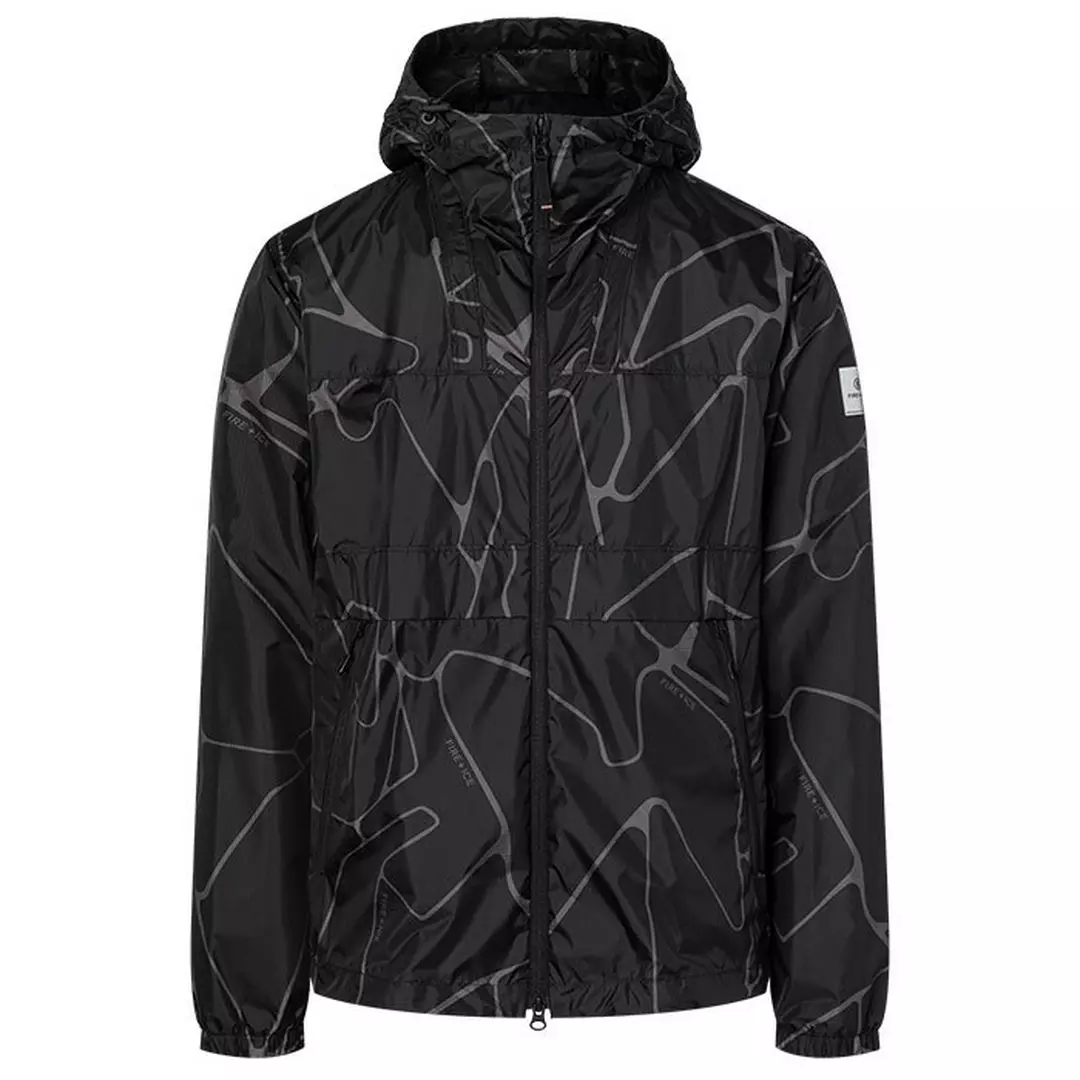
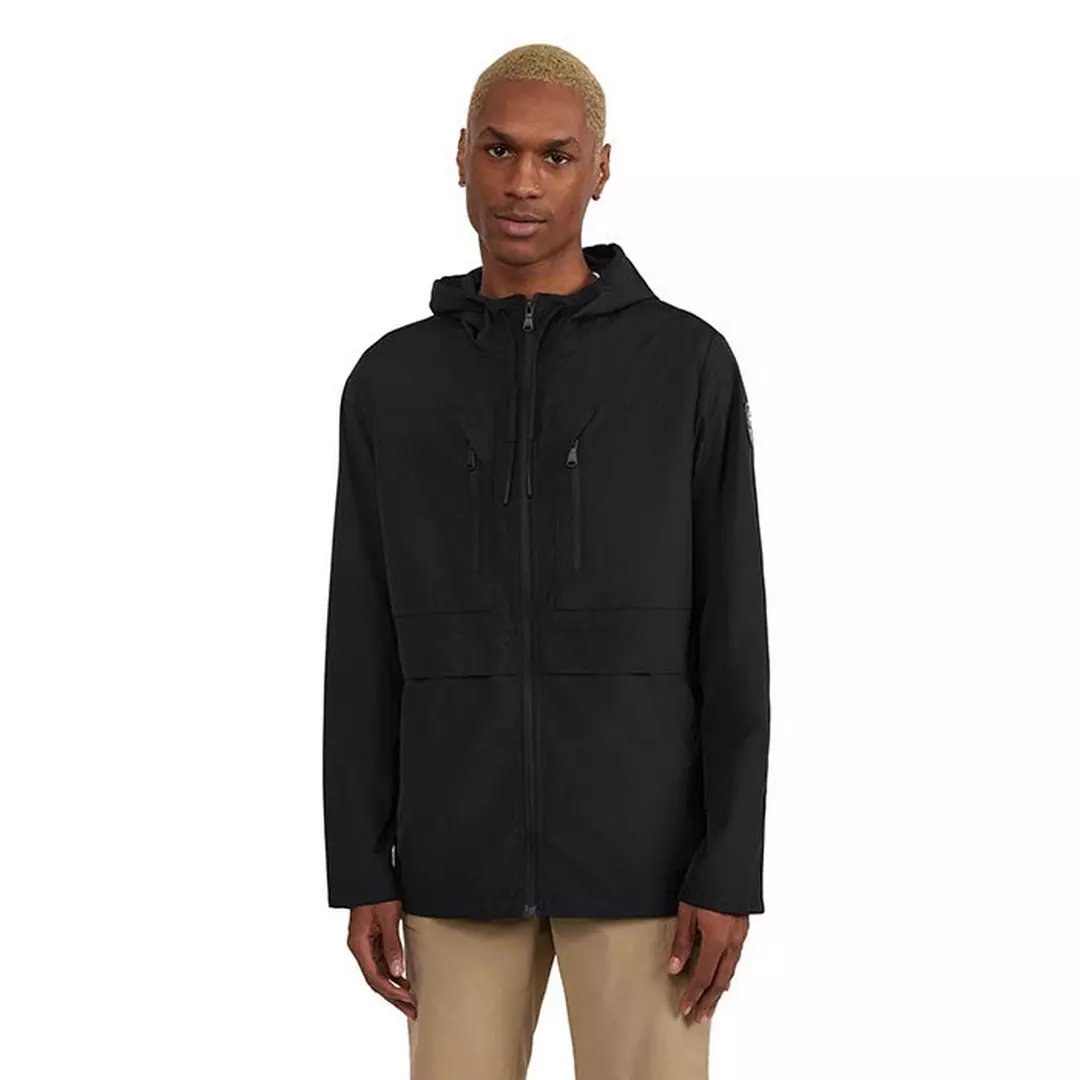
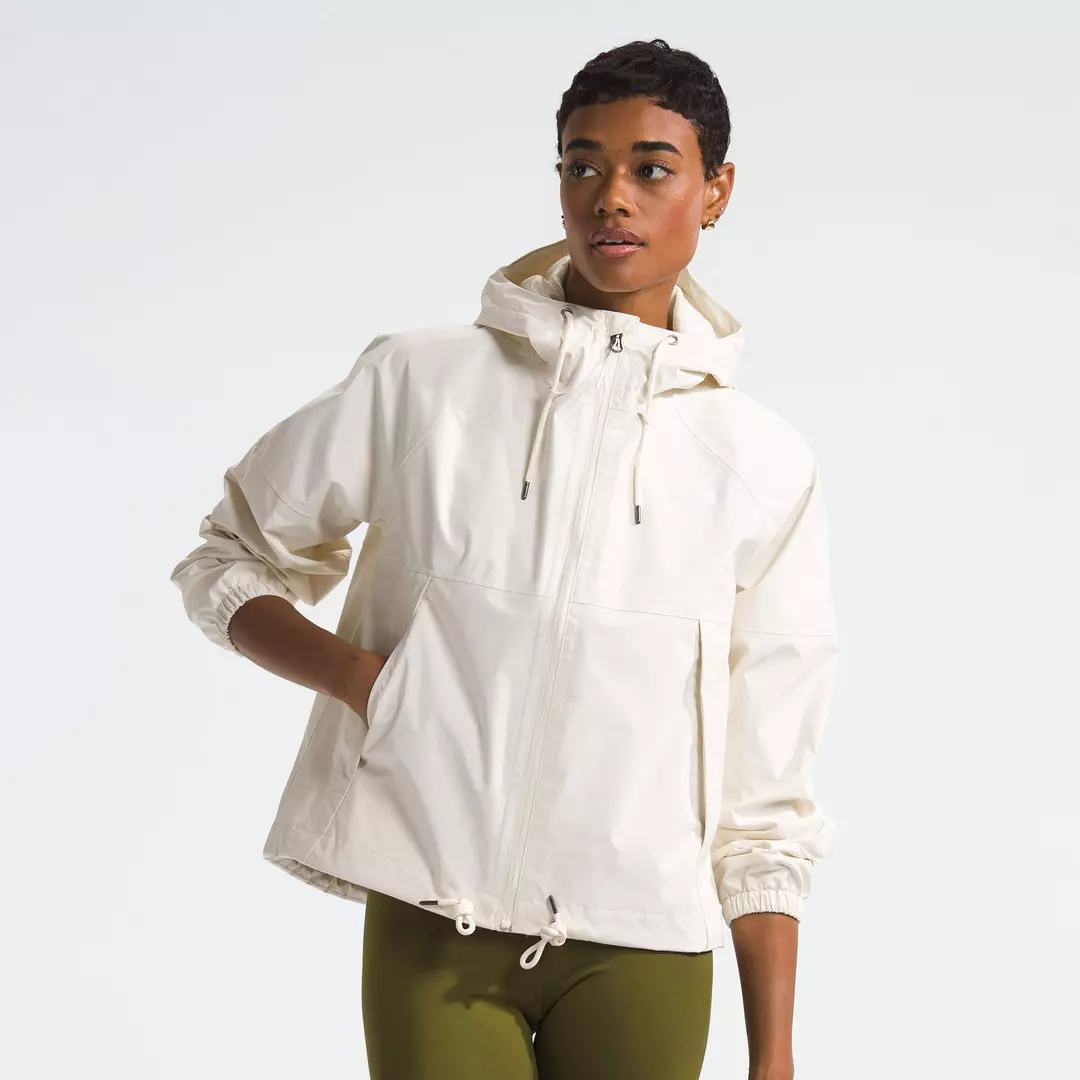
Waterproof jackets elevate things to the next level. Instead of relying only on surface treatment, they use laminated waterproof membranes—materials like Gore-Tex or similar technologies—that block rain from entering while still allowing sweat vapour to escape. This is what keeps you dry both from outside rain and from moisture building up inside the jacket.
Construction also plays a role. Many rain shells are described as 2-layer, 2.5-layer, or 3-layer jackets, referring to how the waterproof membrane is bonded to the outer fabric. Lightweight 2.5-layer shells are especially popular for everyday use because they balance weather protection with packability and breathability.
Finally, pay attention to seam construction. Even waterproof fabrics can leak through tiny stitching holes, which is why high-performance rain jackets often feature taped or sealed seams that prevent water from getting through.
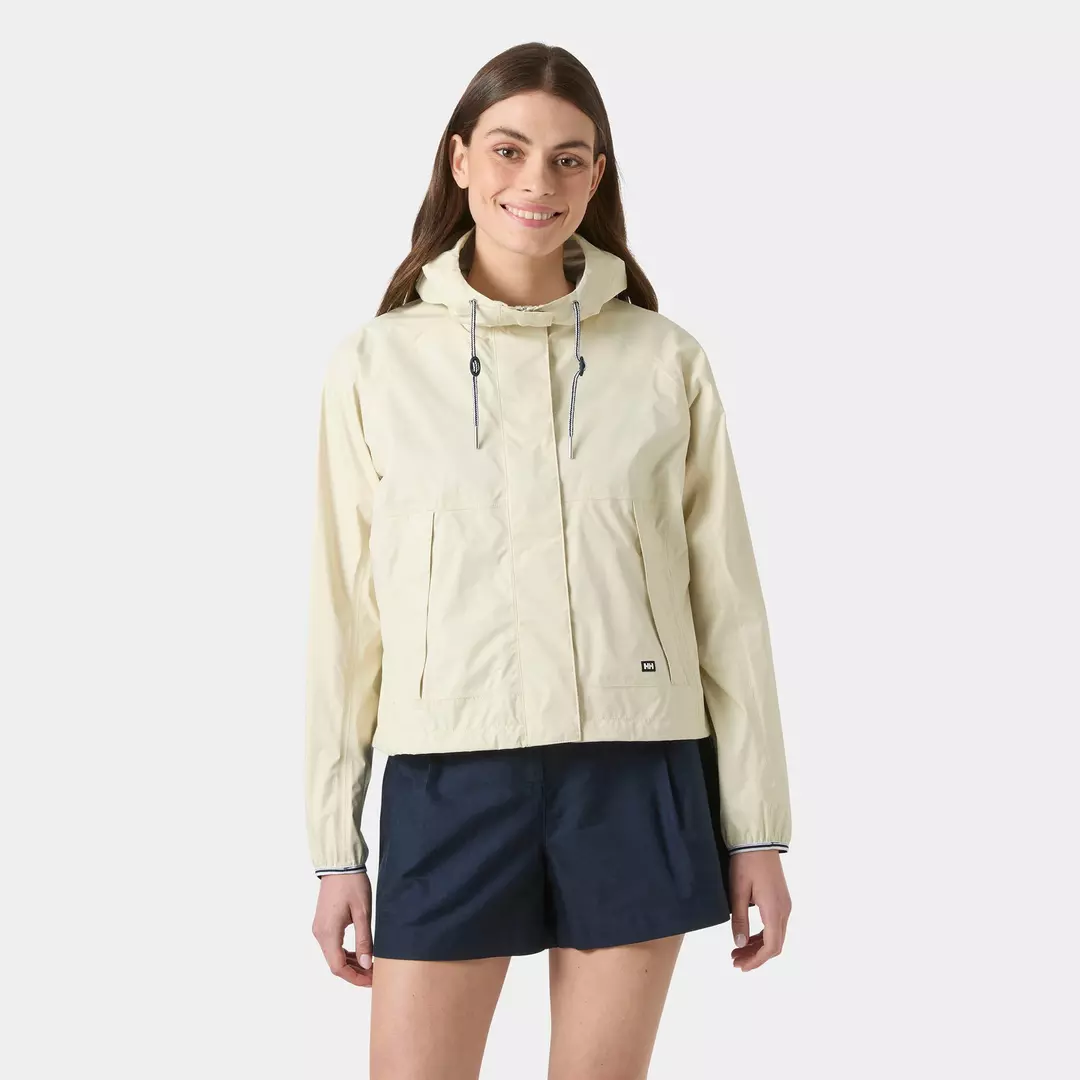
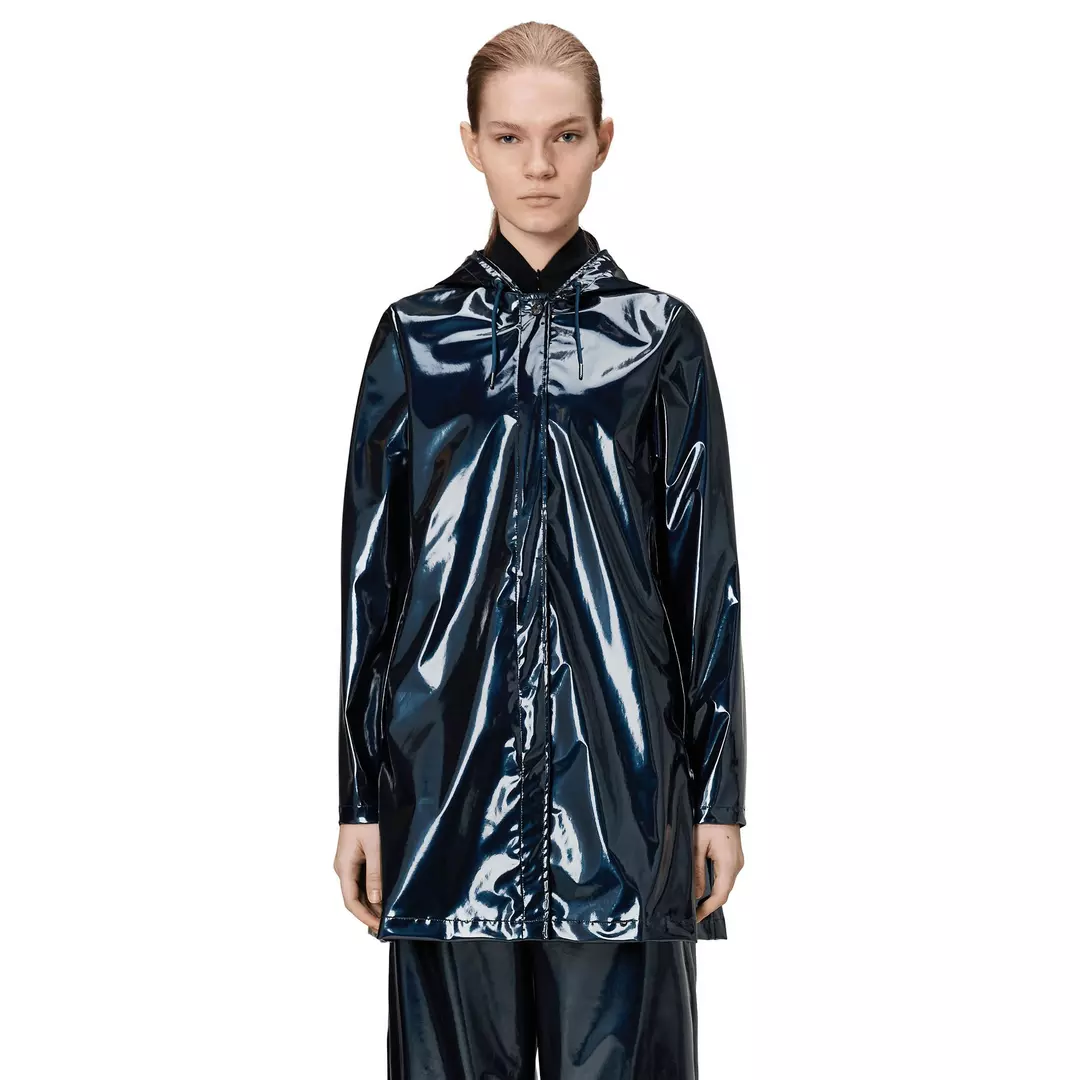
Once you understand the basics, the next question becomes which type of jacket actually fits your routine.
Four Spring Jackets That Cover Most Situations
Spring outerwear generally falls into a few different categories. Each one is designed for slightly different conditions, which is why many people rotate between a couple of options throughout the season. How to choose a spring jacket depends on your day-to-day.
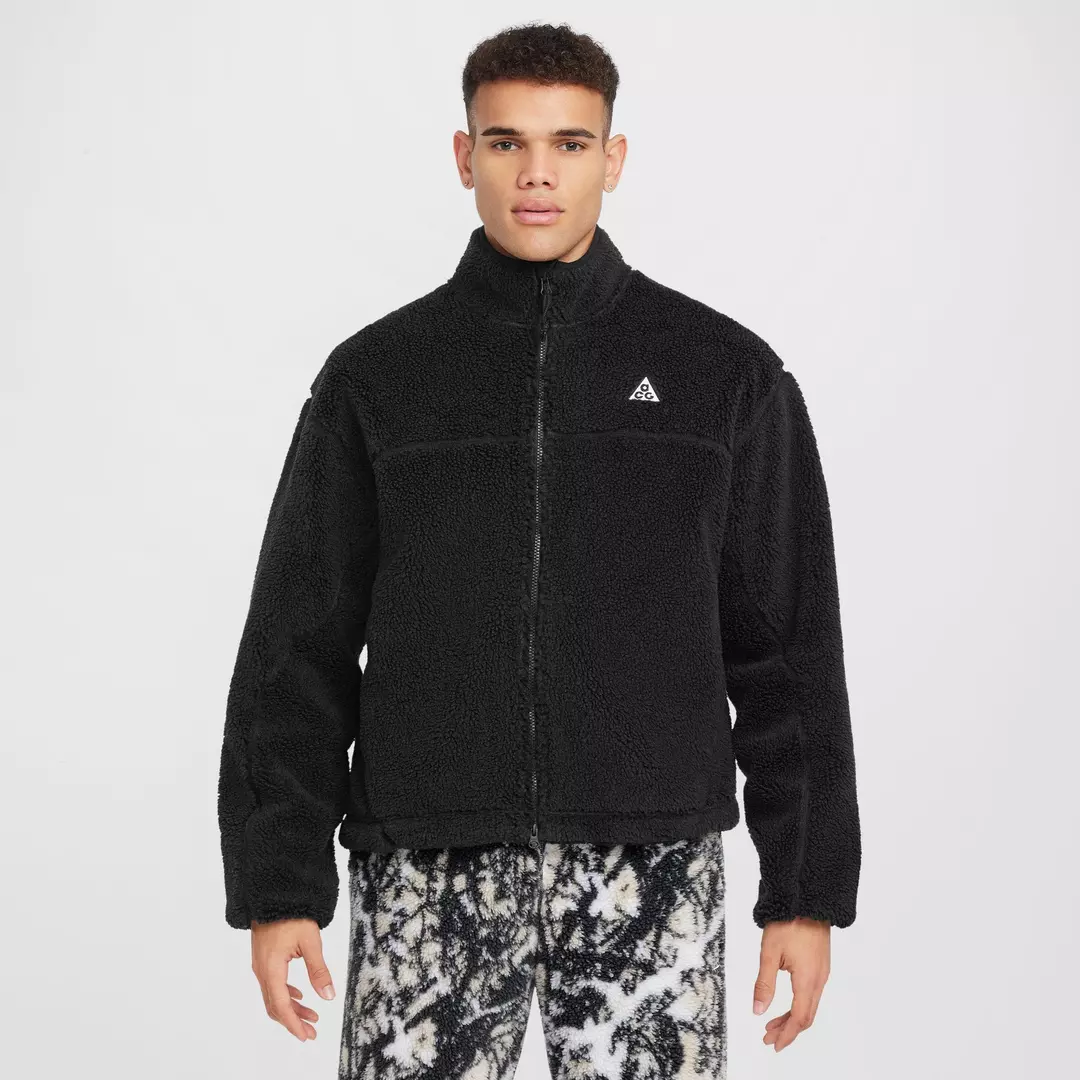
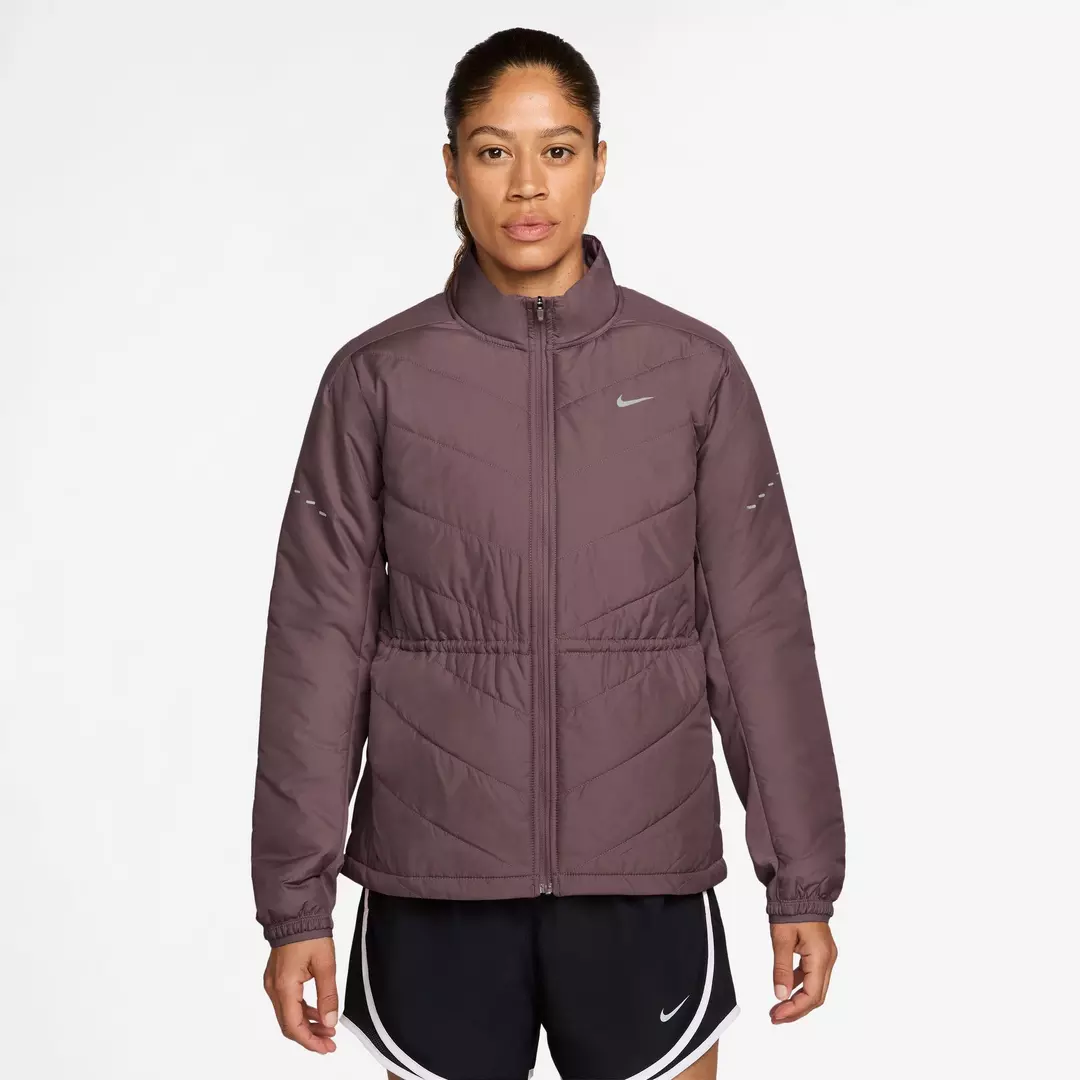
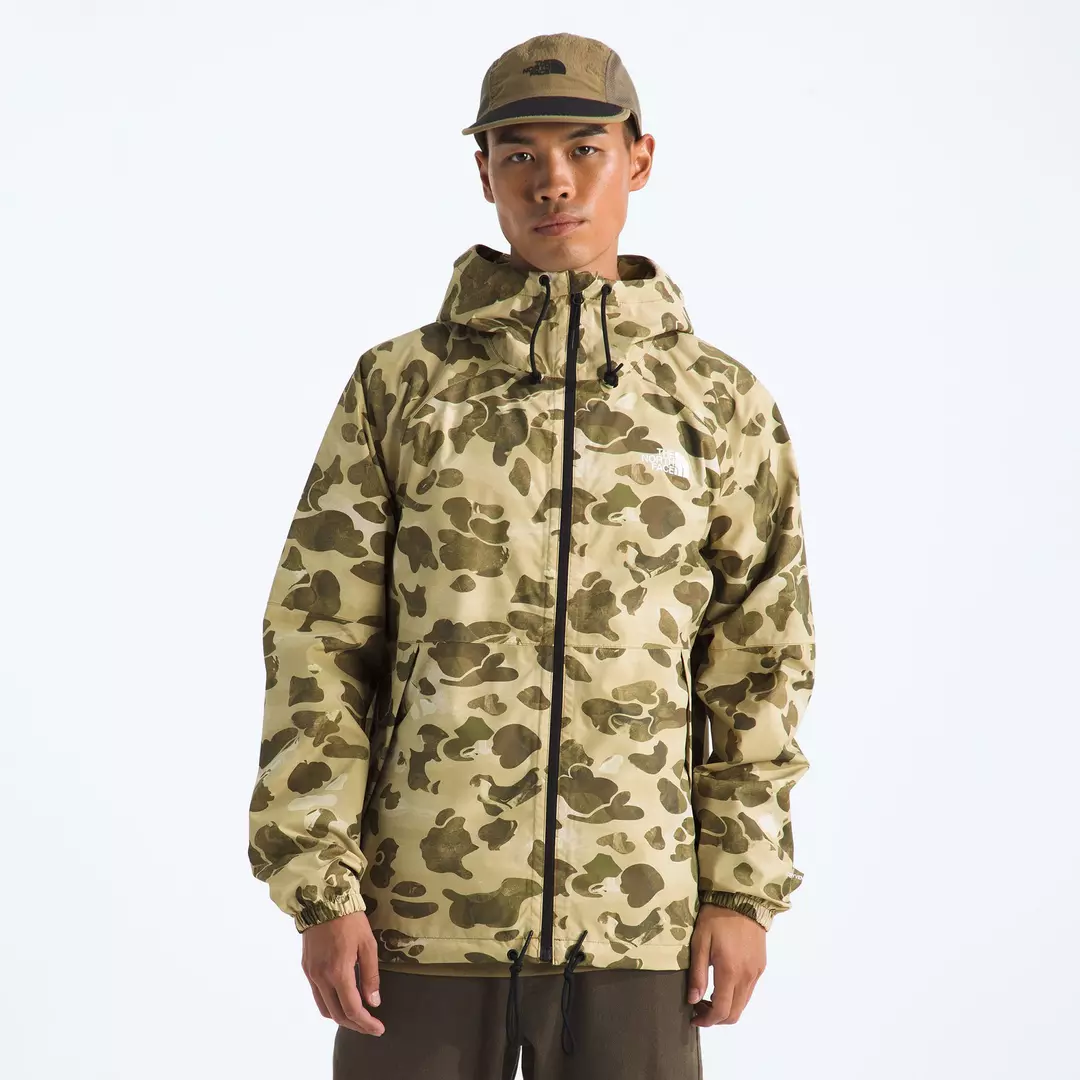
Windbreakers
Originally designed for running and cycling, windbreakers are an easy staple of casual spring style — the kind of layer you can throw over a hoodie or t-shirt when the temperature drops a bit. Not all are treated to endure rain. For that, keep scrolling and get yourself something a little more technical.
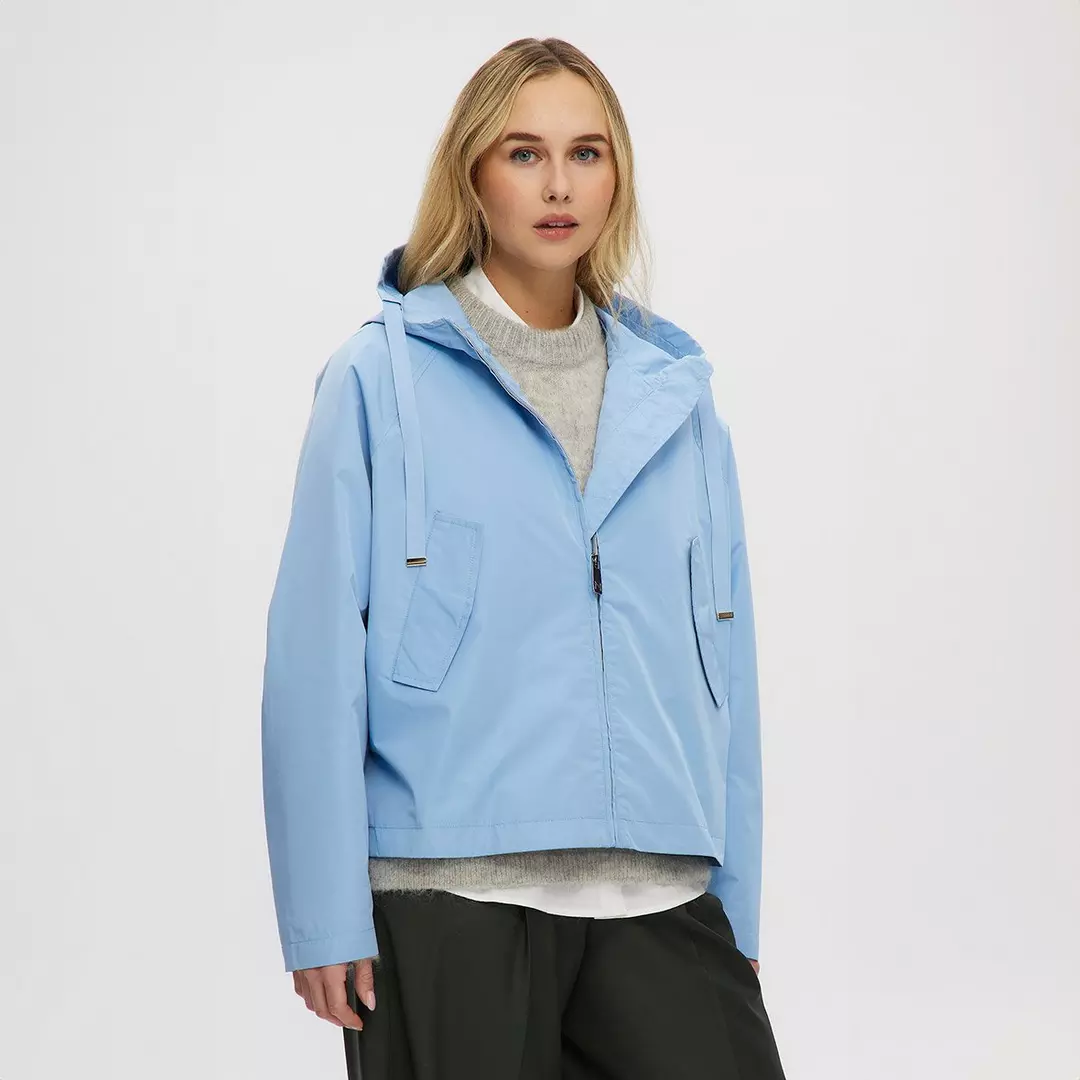
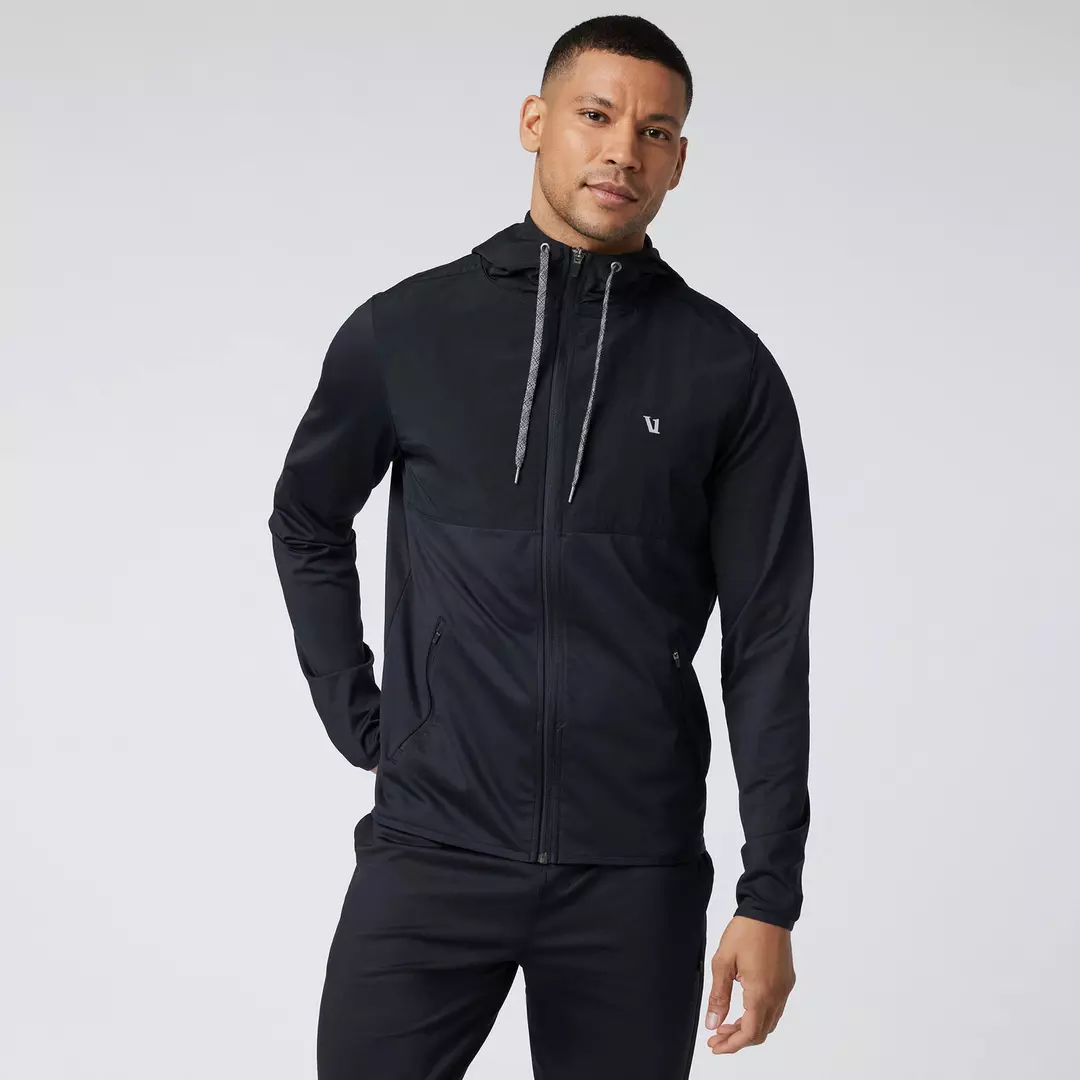
Hardshell Jackets
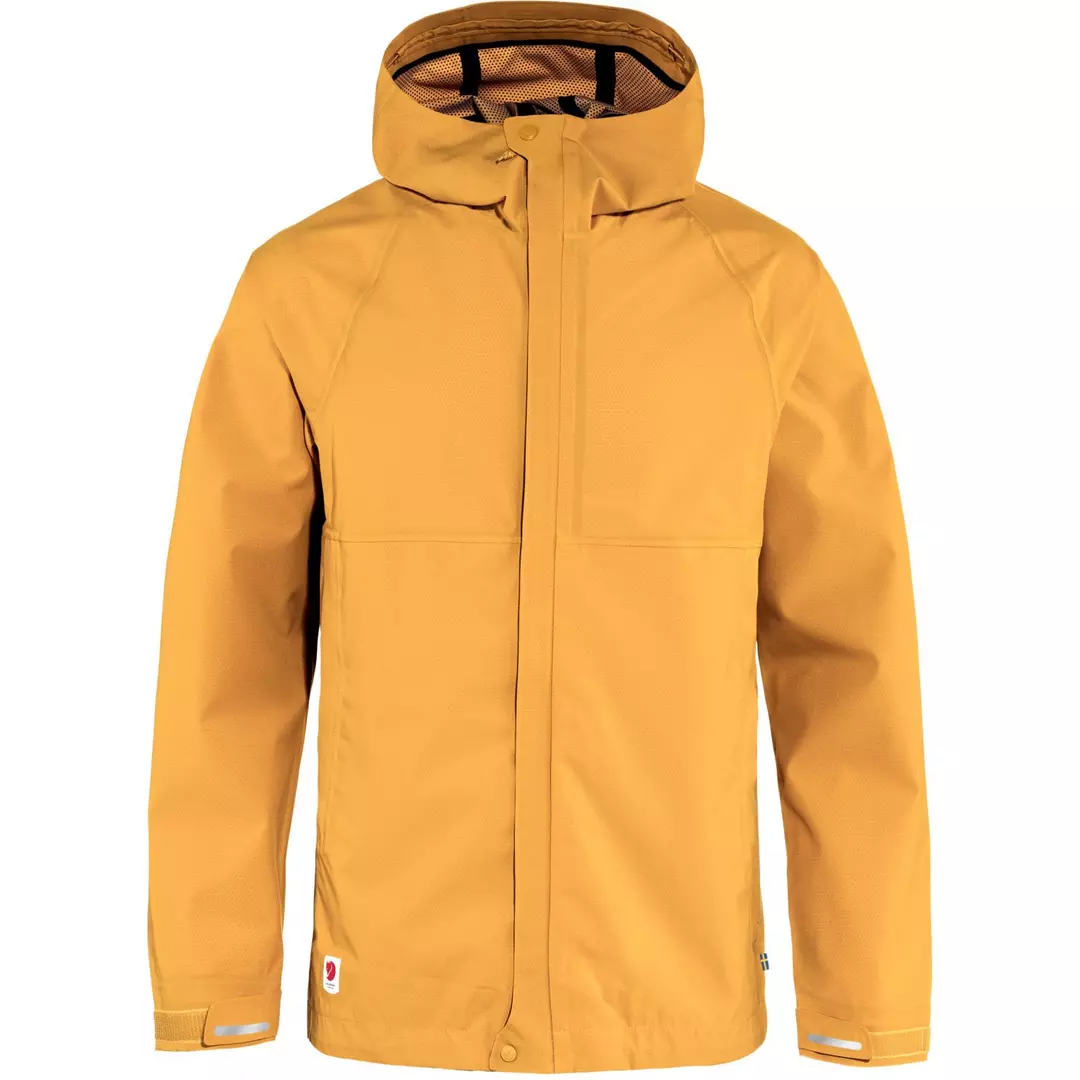
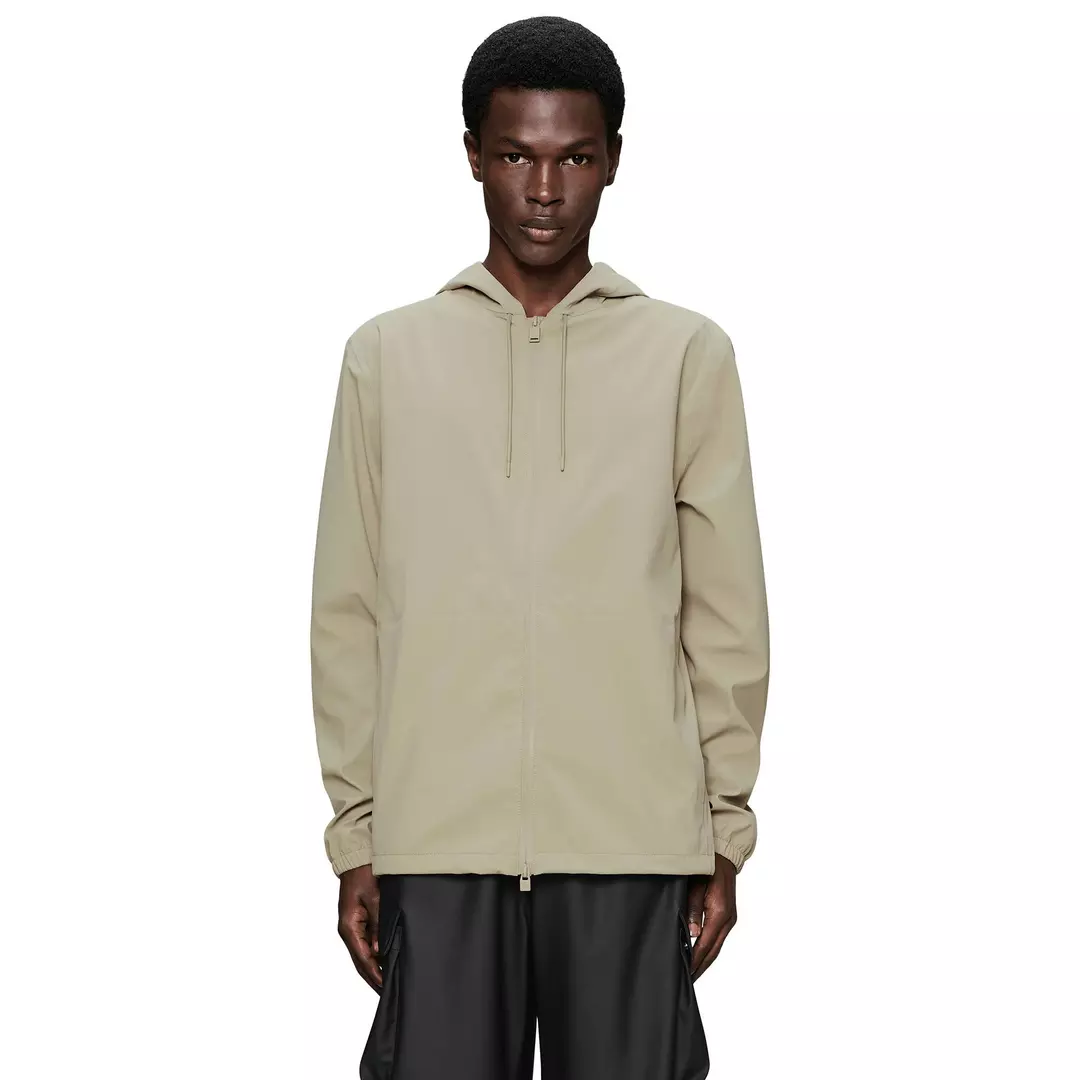
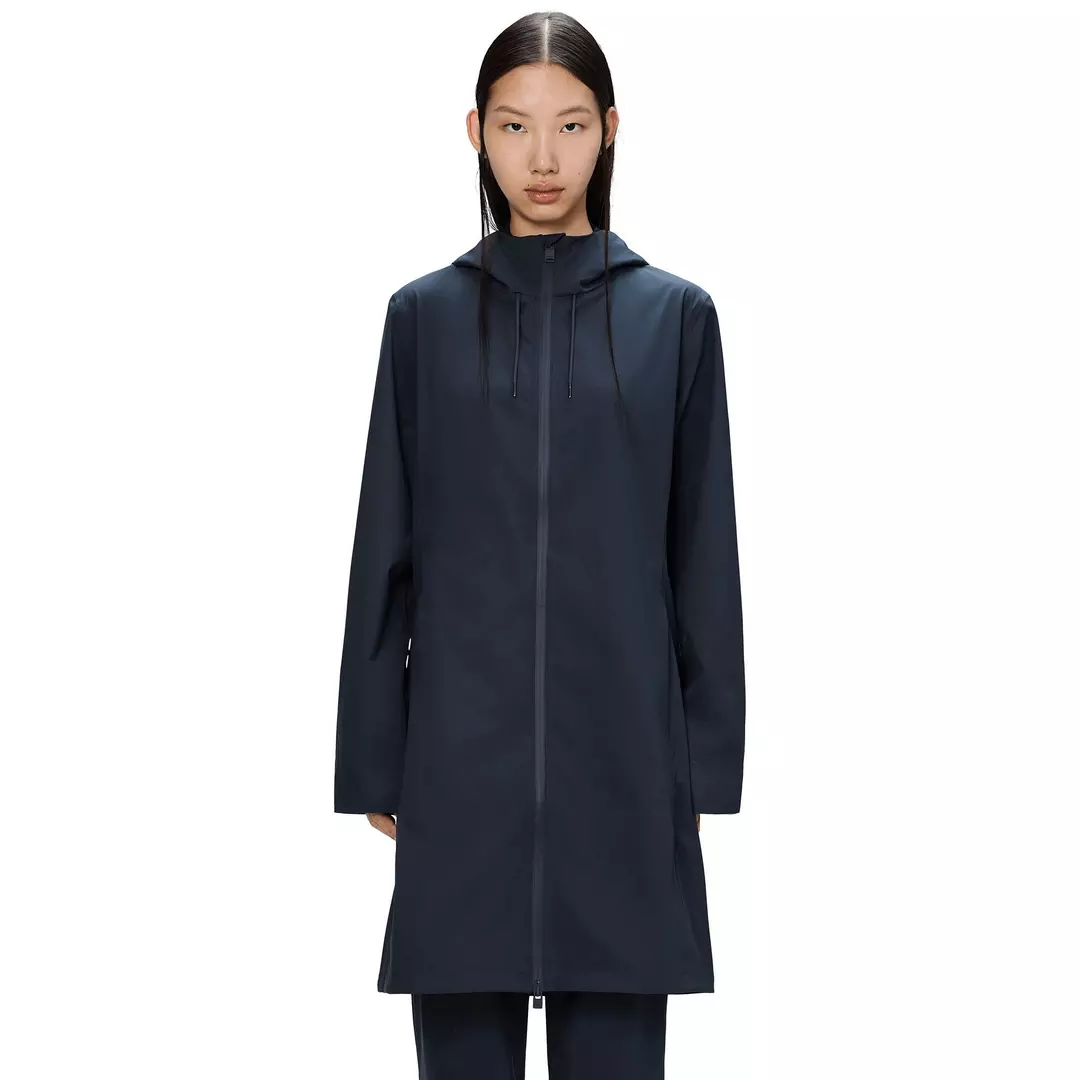
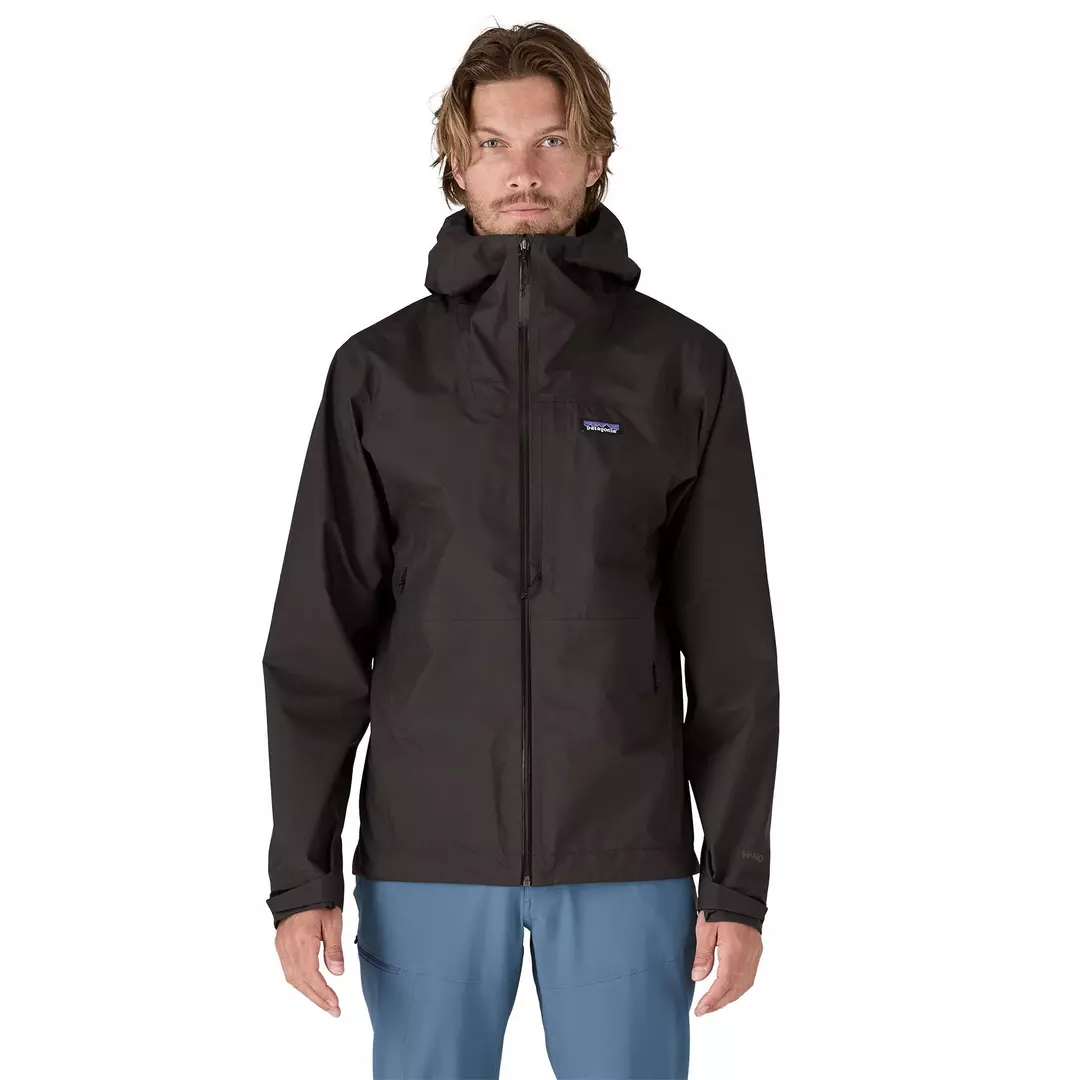
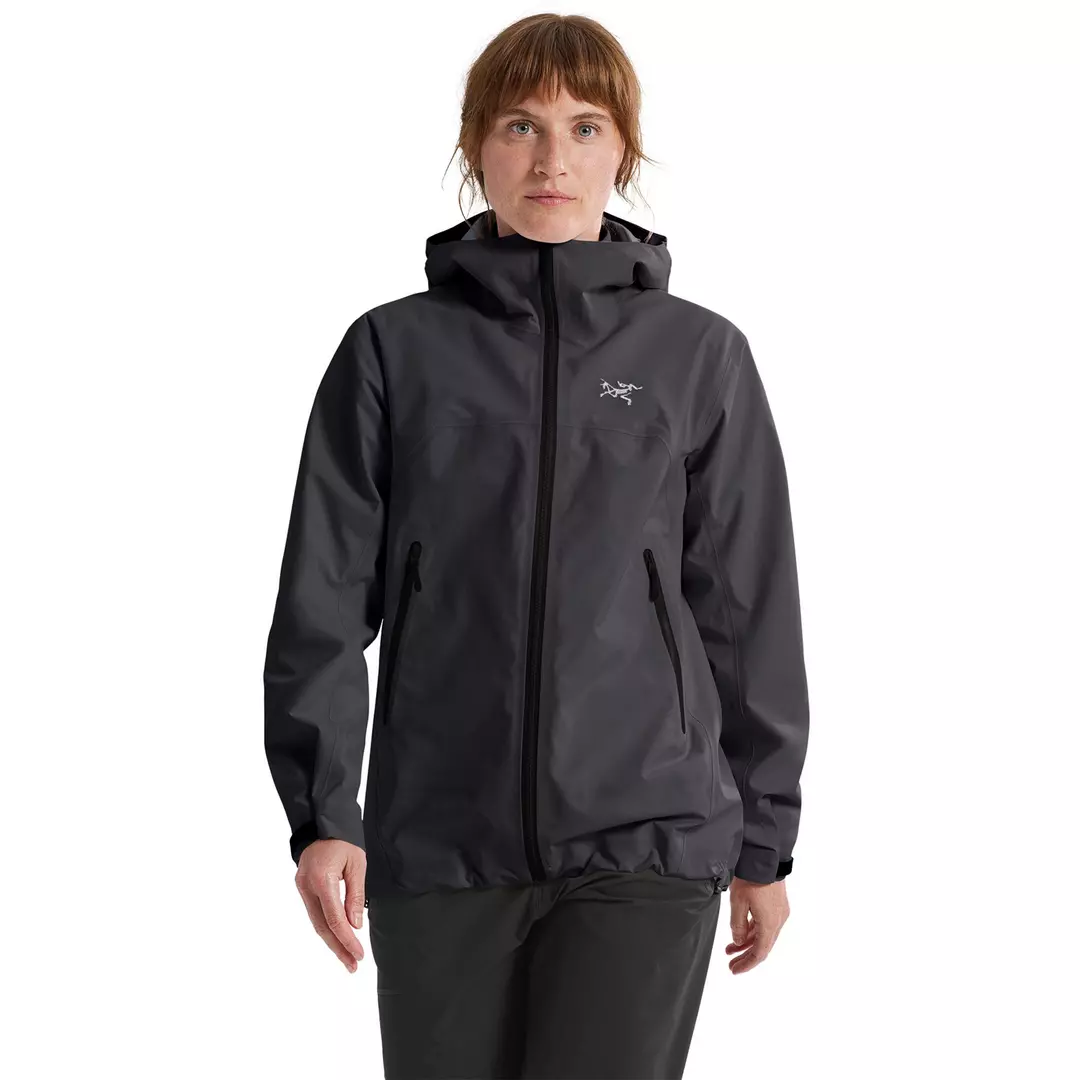
If the forecast calls for real rain — not just a quick drizzle — this is where a hardshell earns its keep. These are the jackets built to handle sustained weather. They’re more structured than other spring options, but that’s part of the appeal. Worn over a hoodie or knit, a clean hardshell can feel just as at home in the city as it does on a trail — especially in darker, more understated colours.
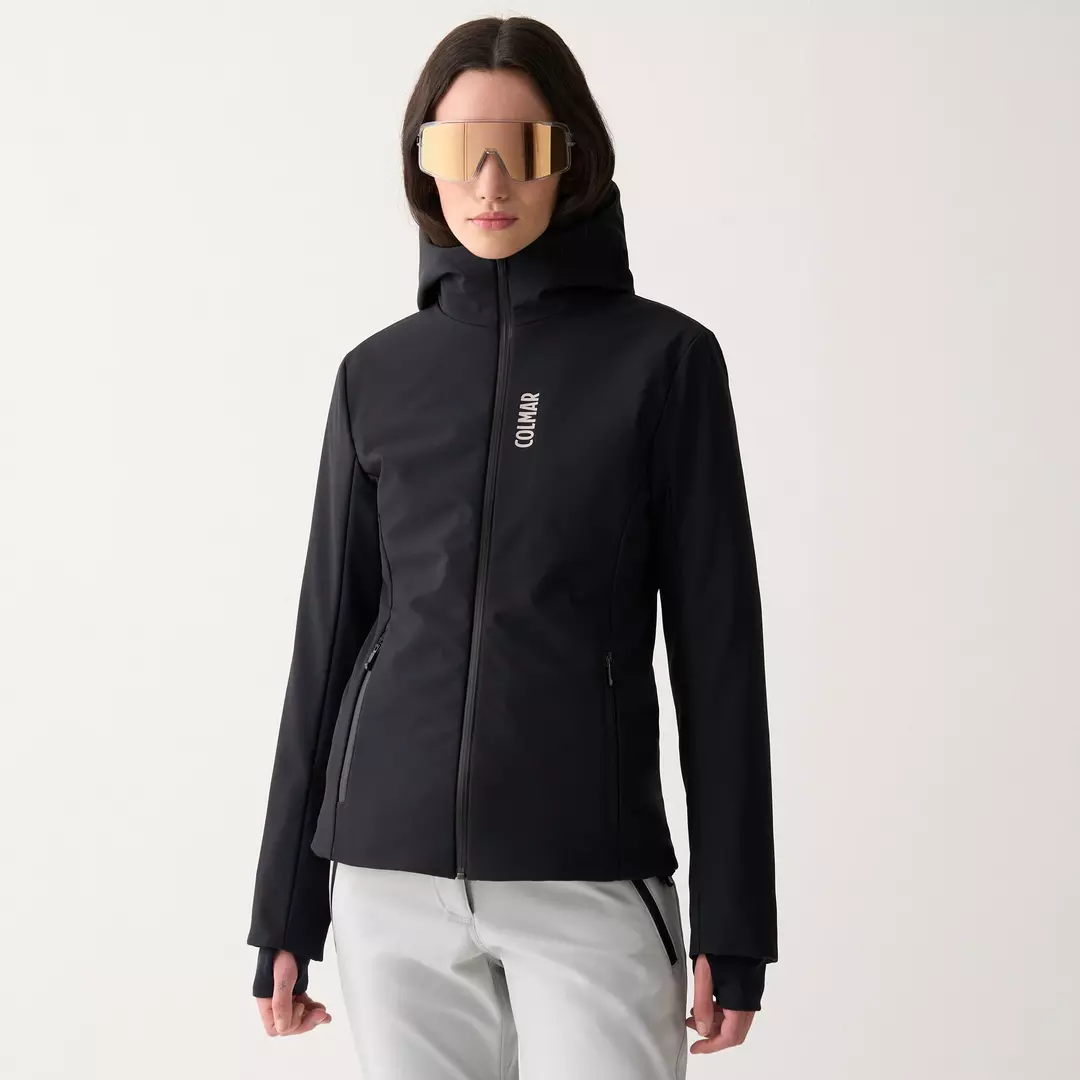
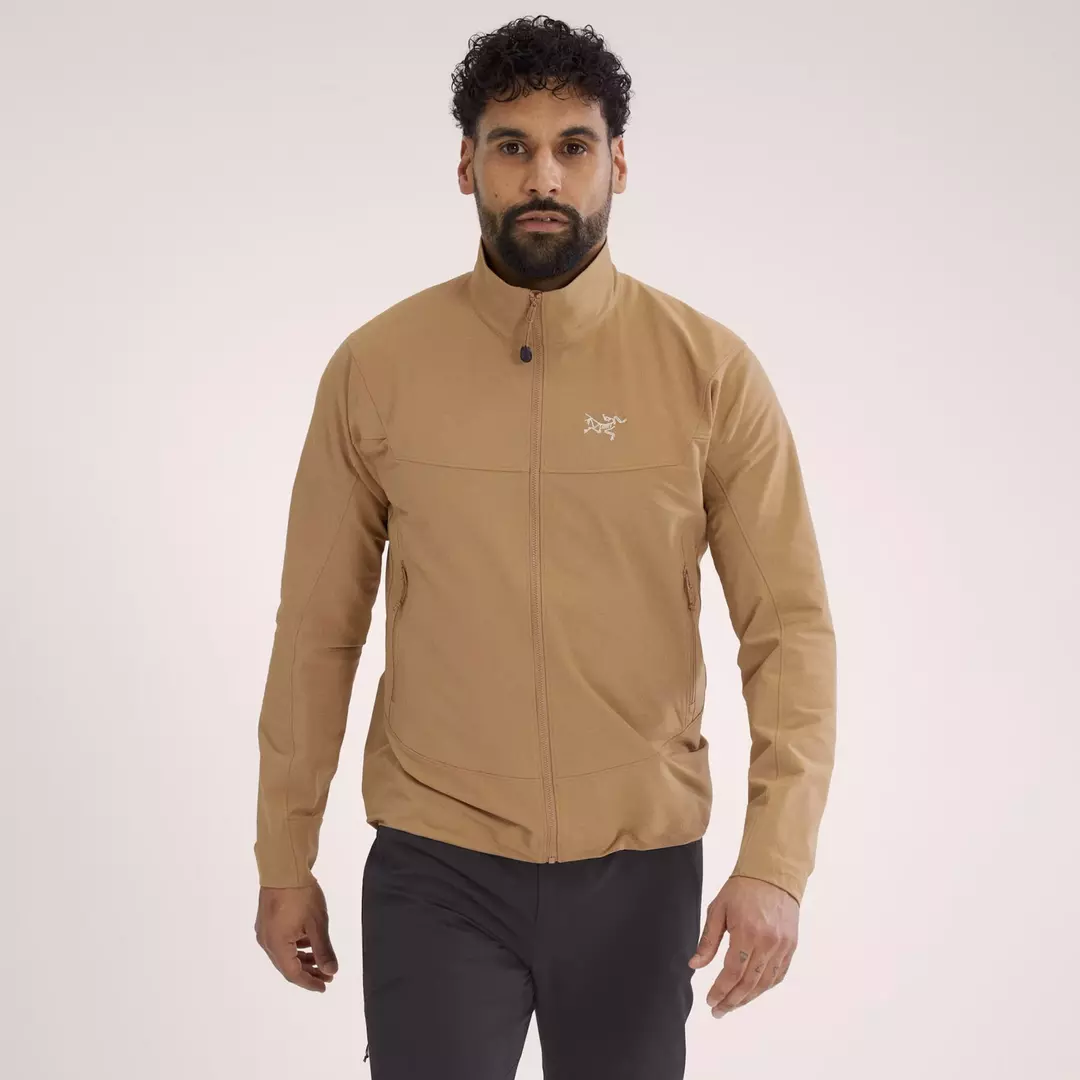
Softshell Jackets
Softshell jackets sit somewhere between performance gear and everyday outerwear. Their flexible fabrics and streamlined designs make them comfortable for active use, but they also tend to look less technical than full rain shells.
Stylish Jackets for the City
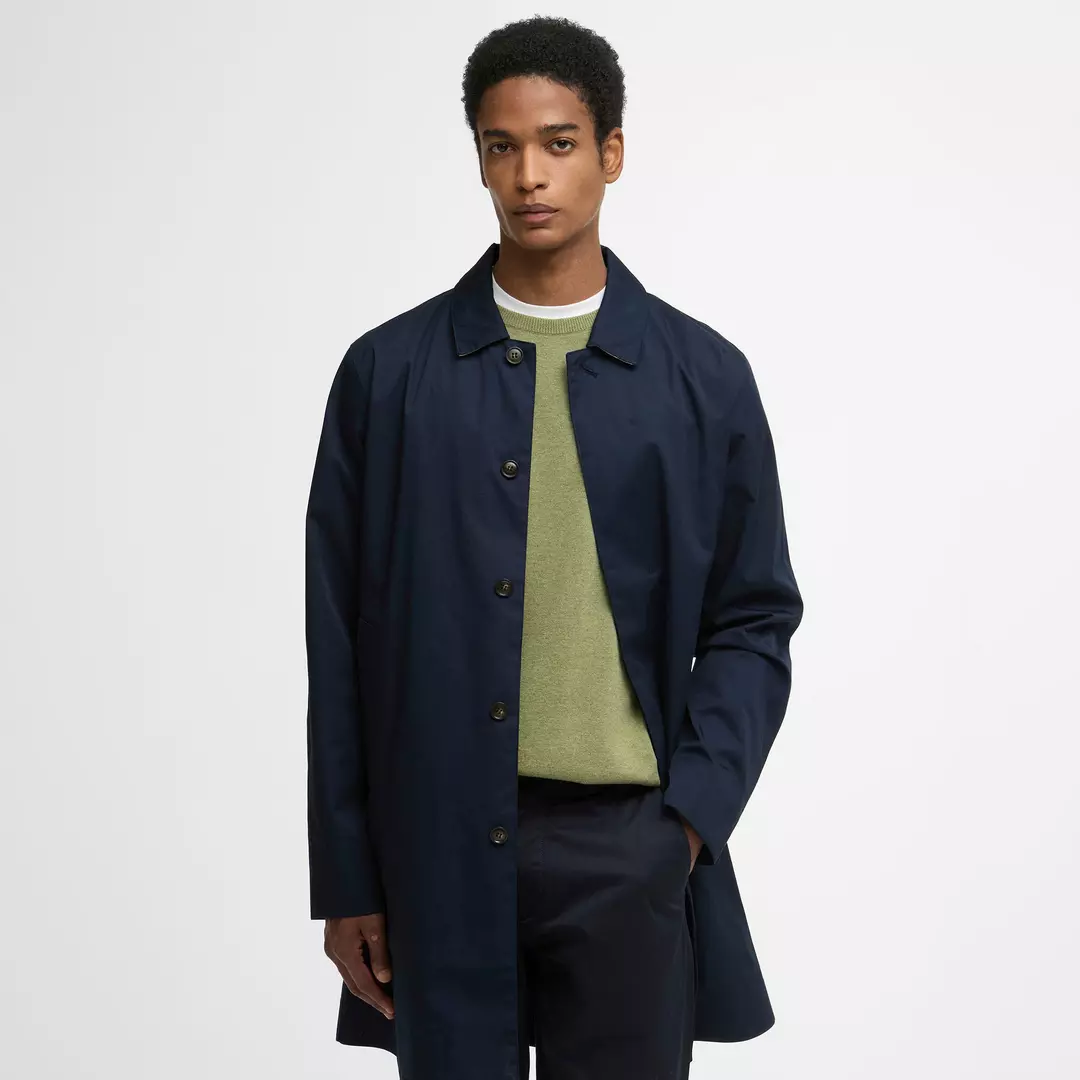
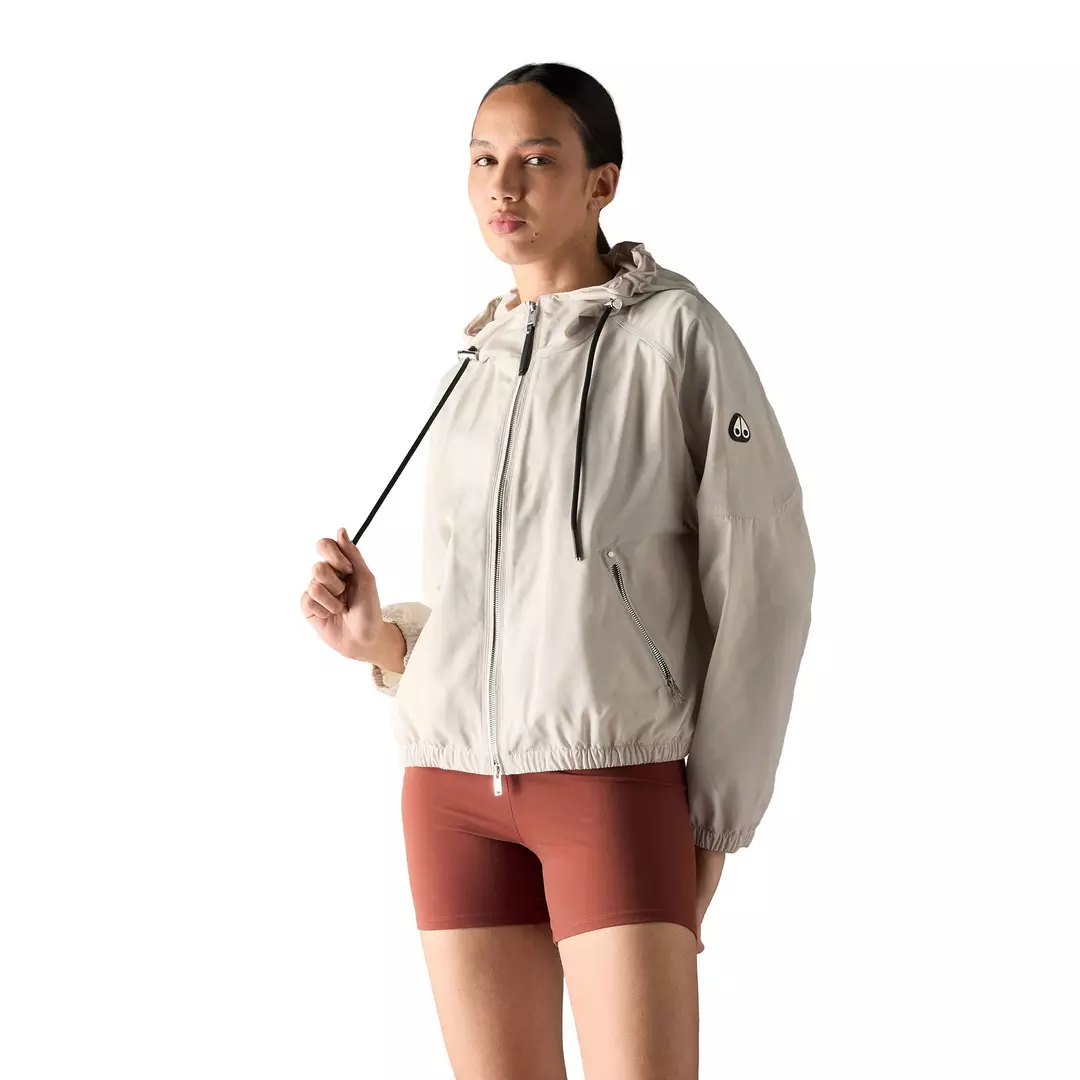
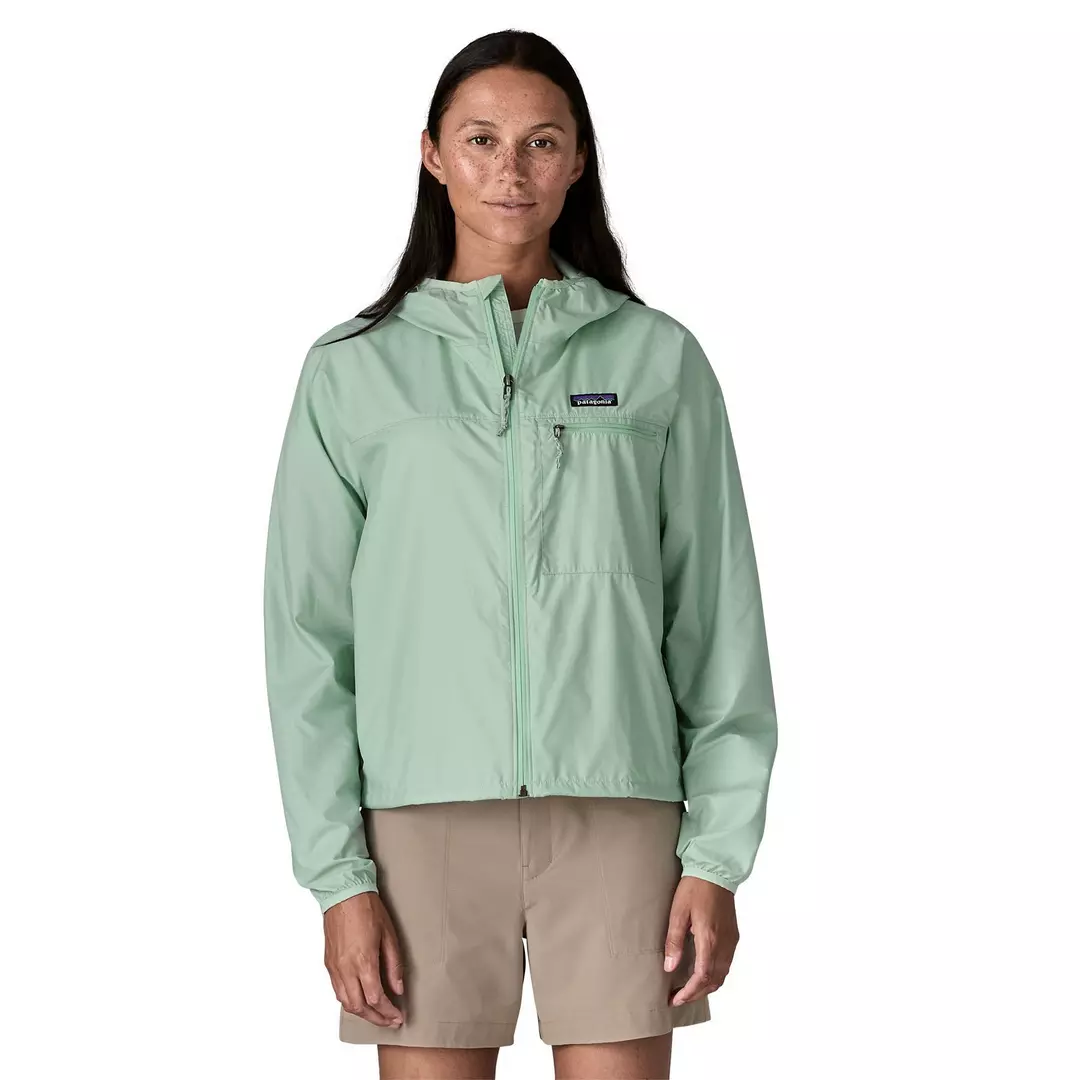
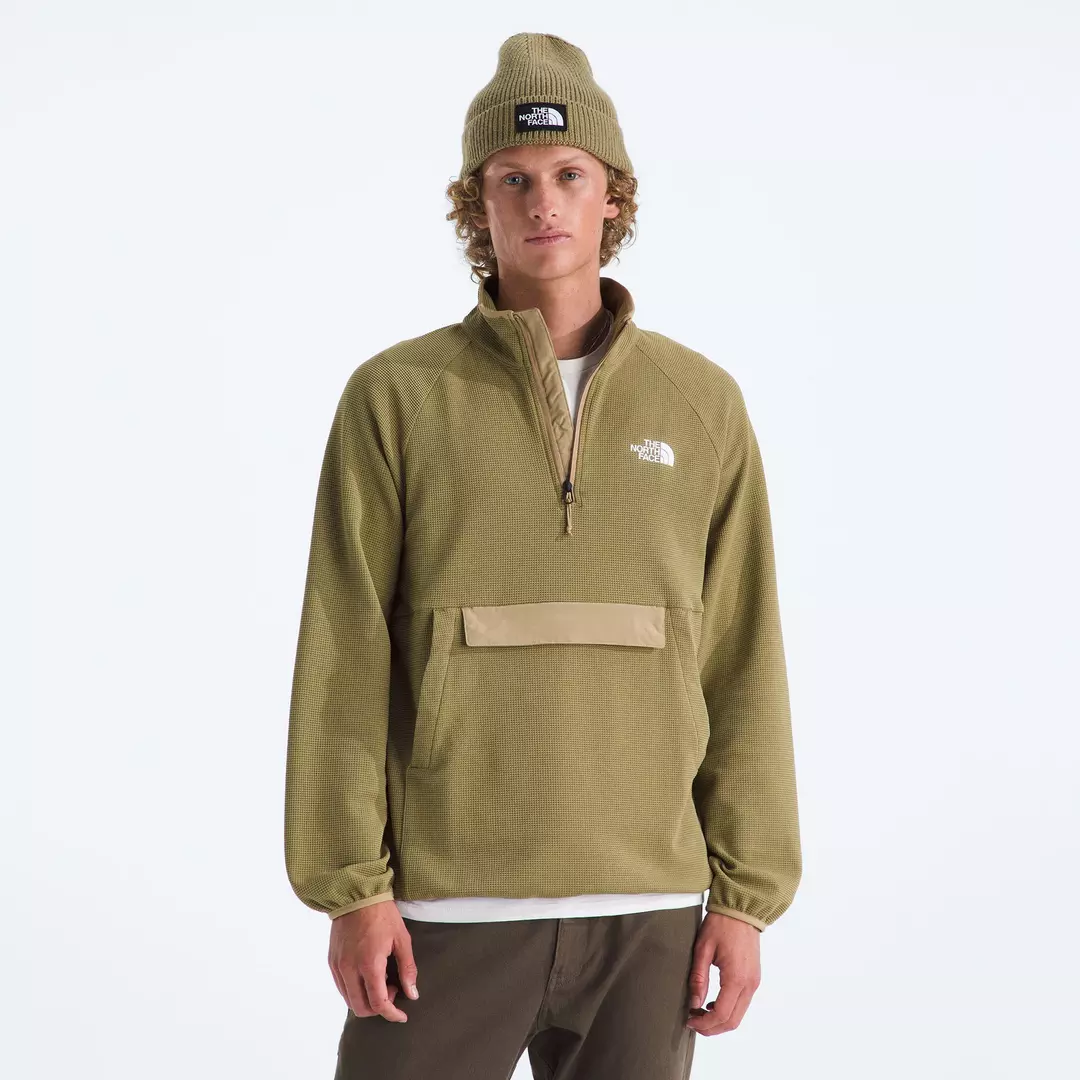
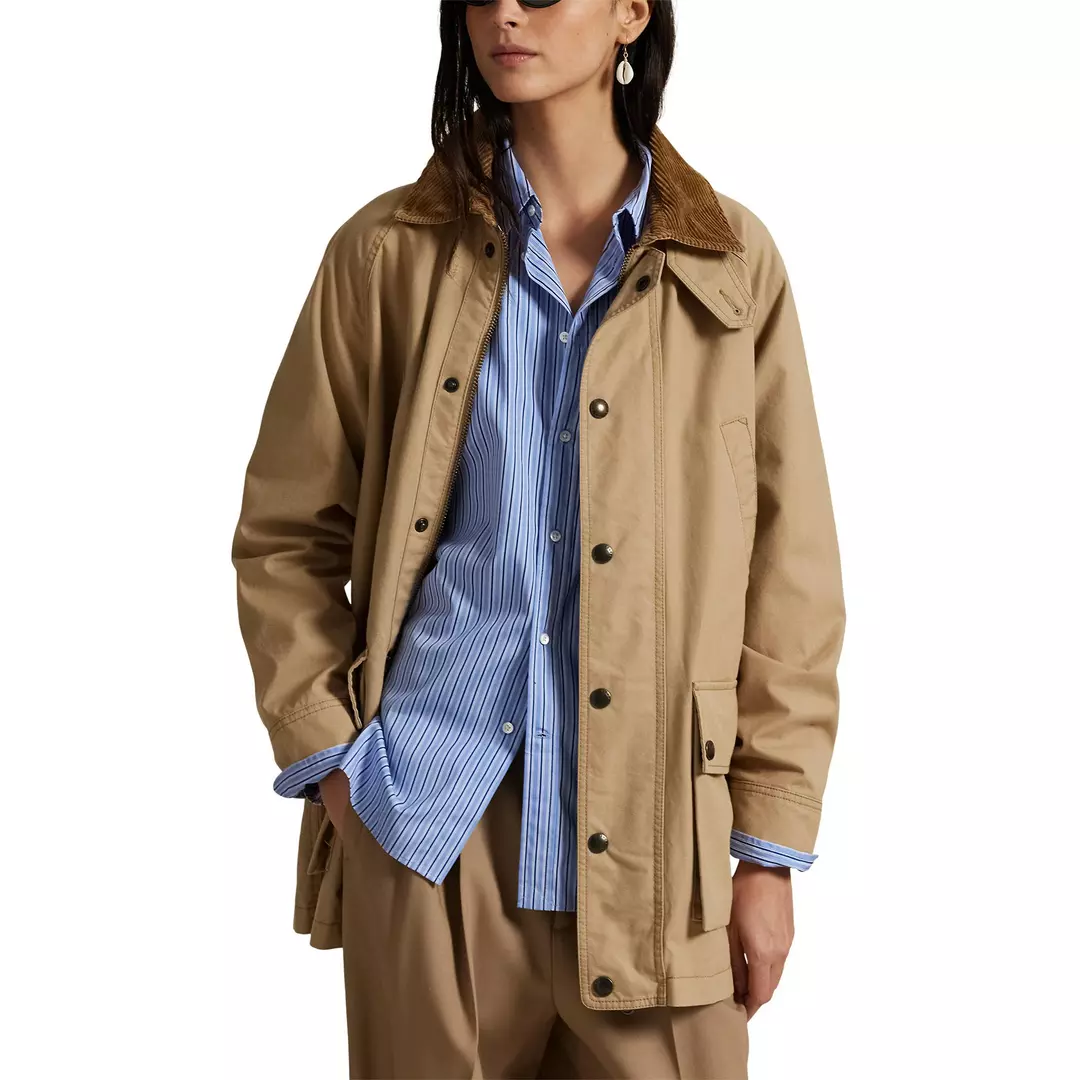
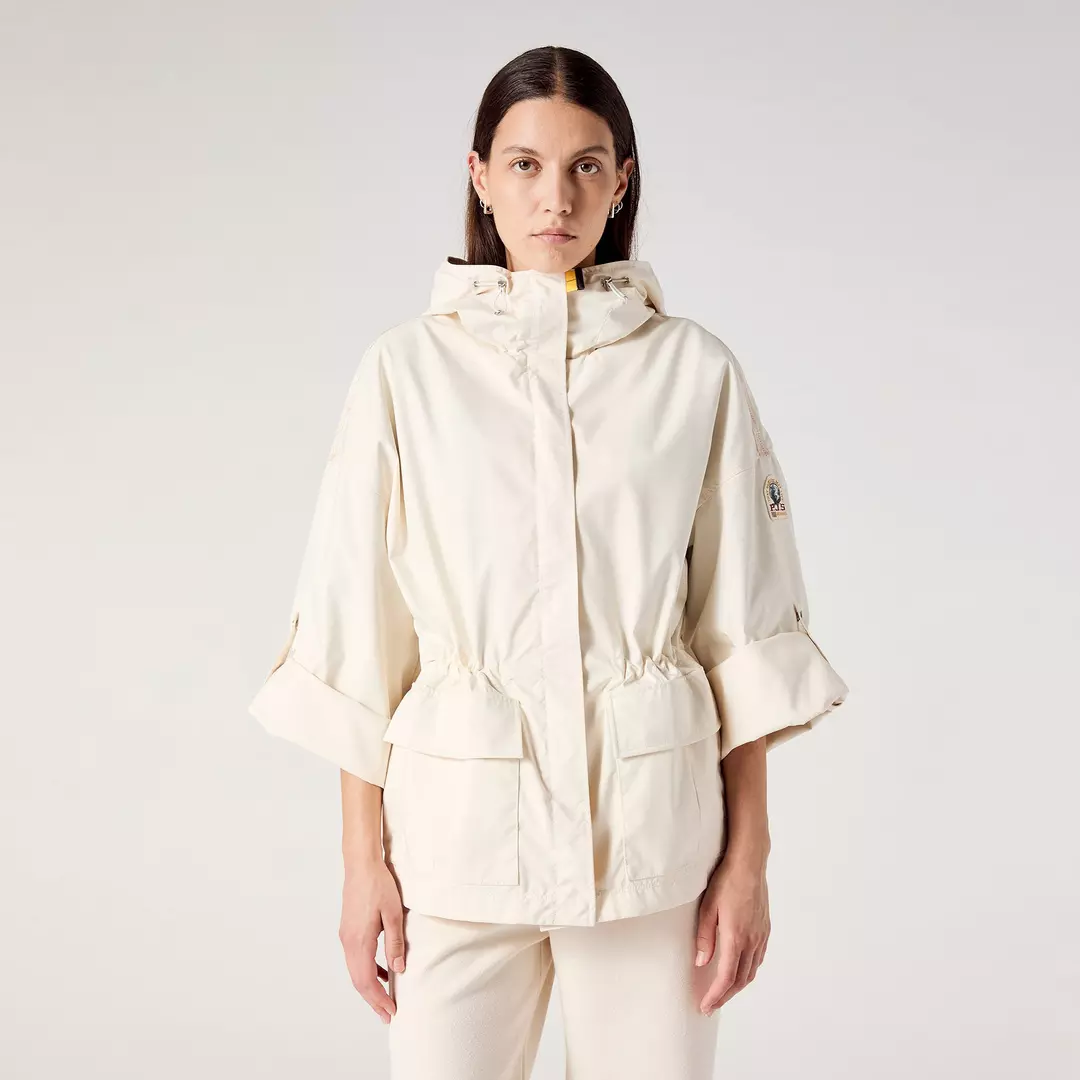
Not every spring jacket needs to be built for outdoor performance. Lightweight bombers, chore jackets, overshirts, even fuzzy teddy coats, provide just enough protection for breezy afternoons while getting you style points.
The Bottom Line
Spring weather rarely stays predictable for long, which is why versatility matters when choosing a jacket. The best options balance breathability, light weather protection, and easy layering — pieces that work just as well on a windy walk across town as they do on a weekend outdoors.